

Chihuahua: Breed Guide, Facts, Temperament, and Care
The Chihuahua is a toy breed from Mexico that usually weighs 2 to 6 lb (0.9 to 2.7 kg) and stands about 5 to 8 inches (13 to 20 cm) at the shoulder. Chihuahuas are considered a long-lived breed, typically living 14 to 18 years.
In one line: a loyal, alert and confident little dog that often bonds closely with one person, can be wary of strangers, and needs gentle handling because of its size. This guide covers size, temperament, coat types, apple head vs deer head, health, daily care and how to adopt.
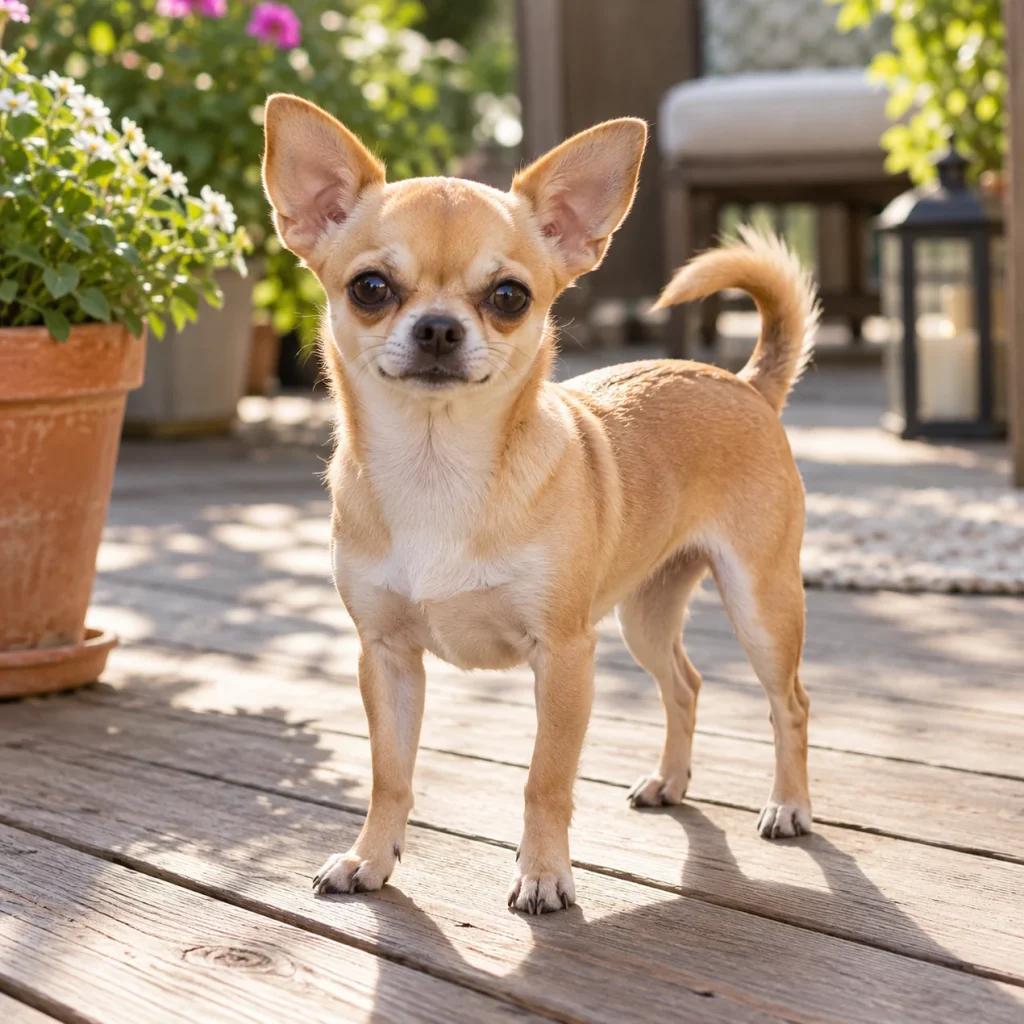
Chihuahua Quick Facts
| Fact | Detail |
|---|---|
| Weight | 2 to 6 lb (0.9 to 2.7 kg). The breed standard sets a maximum of 6 lb. |
| Height | about 5 to 8 inches (13 to 20 cm) at the shoulder |
| Lifespan | typically 14 to 18 years |
| Breed group | Toy (American Kennel Club and the Royal Kennel Club in the UK) |
| Coat | smooth (short) or long. Both shed. |
| Colors | any color, solid, marked or splashed |
| Exercise | up to about 30 minutes a day, split into short walks and indoor play |
| Grooming | brush once a week (long coats more often) |
| Temperament | loyal, alert, confident, often wary of strangers |
| Origin | Mexico. Recognized by the AKC in 1904. |
Chihuahua Size, Weight, and Lifespan
A healthy adult Chihuahua usually weighs 2 to 6 lb (0.9 to 2.7 kg) and stands about 5 to 8 inches (13 to 20 cm) tall at the shoulder. The breed standard used by the American Kennel Club and the Chihuahua Club of America calls for a dog of no more than 6 lb. Many pet Chihuahuas are a little heavier than that and still healthy. Your vet can tell you if your dog is at a good weight by feeling the ribs and waist, which matters more than the number on the scale.
The body is slightly longer than it is tall, with large upright ears and full, round eyes.
Chihuahuas are known for long lives. Most live about 14 to 18 years, and keeping teeth clean, weight lean and vet checks regular gives your dog the best chance of reaching the upper end. For a full breakdown of life stages and senior care, see our Chihuahua lifespan guide.
Chihuahua Temperament: Loyal, Bold, and Sometimes Barky
The breed standard describes the Chihuahua as alert, with a terrier-like attitude of confidence and self-reliance. In daily life that means a small dog with strong opinions. Most Chihuahuas are devoted lap dogs and lively playmates at home, and they tend to bond most closely with one person or one family.
- Loyal: many follow their favorite person from room to room and like to sleep close by. Many love cozy beds for small dogs they can burrow into.
- Wary of strangers: they are often reserved with new people, which makes early socialization important.
- Bold: some will challenge much bigger dogs, so keep greetings with large dogs calm and controlled.
- Vocal: they bark at noises and visitors more than many breeds. A “quiet” cue taught early helps a lot.
- Smart but stubborn: they learn quickly with food rewards and shut down with harsh corrections.
Individual Chihuahuas vary. Some are very outgoing and others are shy or timid, so meet the dog you are thinking of adopting more than once before you decide.
Coat Types, Colors, and Head Shapes
All Chihuahuas share the same breed standard, but they can look quite different. Coat length, color and head shape vary from dog to dog, and none of them changes how a Chihuahua should be cared for day to day.
Smooth Coat vs Long Coat
There are two coat types. The smooth coat is short, soft, close and glossy. The long coat is soft and flat or slightly wavy, with feathering on the ears, legs and tail. Both coats shed. A smooth coat needs a weekly brush; a long coat needs brushing a few times a week and a check behind the ears and on the legs for tangles. In the UK, the Royal Kennel Club lists the Long Coat and Smooth Coat Chihuahua separately in its Toy group. Our Chihuahua grooming guide covers brushing, bathing, nails and teeth step by step.
Apple Head vs Deer Head Chihuahua
- Apple head: a well-rounded, dome-shaped skull with a moderately short, slightly pointed muzzle. This is the head the breed standard describes.
- Deer head: a flatter skull and a longer muzzle, often with longer legs. Deer head Chihuahuas are still Chihuahuas, not a separate breed. They simply do not match the show standard.
Neither type is a better pet. Choose on health and temperament, and be wary of any seller who charges more for a head shape or uses it as a selling point.
Some Chihuahuas keep a molera, a soft spot on top of the skull where the bones have not fully joined. The breed standard allows it. Handle the head gently and ask your vet to check it at puppy visits.
Chihuahua Colors
The standard accepts any color: solid, marked or splashed. Color has no link to temperament, so treat “rare color” pricing as a warning sign rather than a reason to buy.
Is a Chihuahua a Good Pet for You?
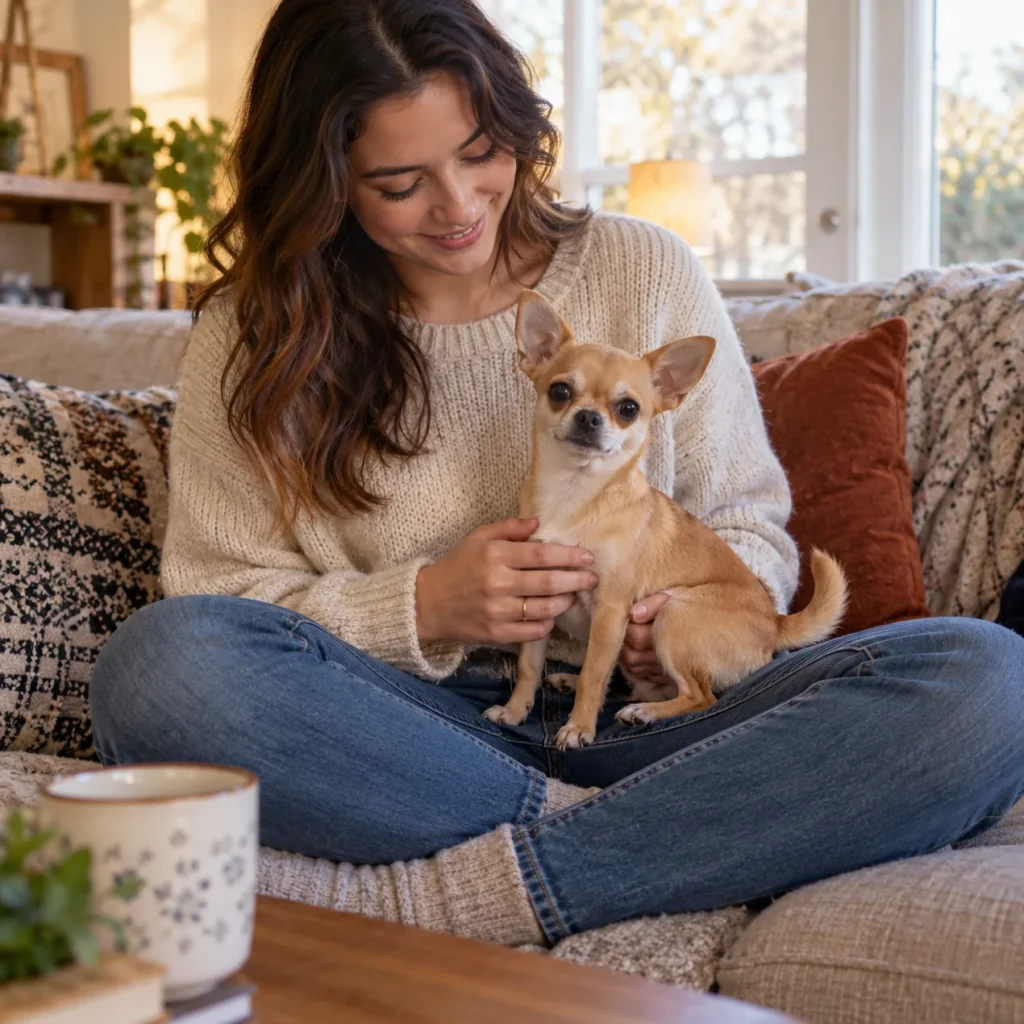
A Chihuahua can be a wonderful pet for a home that wants a close companion and can protect a very small dog. Here is how the breed fits common situations.
Families and Children
Chihuahuas do best with adults or with older, calm children. A fall from someone’s arms or a rough grab can seriously injure a dog this small, and a Chihuahua that feels cornered may snap. If you have children, teach them to sit on the floor to hold the dog, never to pick it up while standing, and always supervise play.
Apartments and Small Homes
Chihuahuas need little space and only short walks, so they suit apartments well. The main issue is barking at hallway noise and visitors. Plan short play sessions, puzzle feeders and a quiet cue from day one. Our guide to the best small dog toys helps you pick safe ones.
First-Time Owners
A Chihuahua can be a good first dog if you have time for training and company. They are easy to exercise but can be slow to house train and may be wary of new people without socialization. If you work long days, plan a midday visit from a friend, family member or dog walker.
Other Pets
Chihuahuas usually get along with other dogs and pets in the home, especially if they grow up together. Many enjoy the company of a second small dog. Introduce large dogs slowly and keep early meetings short, because a bold Chihuahua may challenge a dog many times its size.
Still comparing breeds? Browse our tiny dog breeds directory to see how the Chihuahua stacks up against other toy and small breeds before you decide.
Chihuahua History and Where They Came From
The Chihuahua is one of the oldest breeds of the Americas and a national symbol of Mexico. It is thought to descend from the Techichi, a small dog kept by the Toltec people of Mexico as long ago as the 9th century.
The breed takes its name from the Mexican state of Chihuahua, where these dogs were first noted in the mid-19th century. The American Kennel Club formally recognized the Chihuahua in 1904. The breed was developed as a companion, and that is still what it does best.
Chihuahua Health and Common Issues
Most Chihuahuas are healthy, long-lived dogs, but the breed has a few known weak spots. Knowing them helps you spot problems early and ask the right questions when choosing a puppy.
- Dental disease: Chihuahuas are prone to plaque and gum disease. Daily or near-daily brushing and regular dental checks make a big difference.
- Kneecap problems (patellar luxation): the kneecap can slip out of place, causing skipping or a lifted back leg. Vets grade it from 0 to 4.
- Heart disease: degenerative mitral valve disease is common in older small dogs. A yearly vet check that includes listening for a heart murmur, from about one year of age, helps catch it early.
- Eye problems: the breed’s eyes are full and round. Responsible breeders have the eyes examined by a veterinary ophthalmologist, and you should see your vet for any squinting, redness or discharge.
- Low blood sugar in puppies (hypoglycemia): very small puppies need small, frequent meals. Weakness, wobbling or unusual sleepiness in a puppy is an emergency, so call your vet right away.
- Weight gain: Chihuahuas put on weight easily, and a few treats add up fast for a 5 lb dog.
- Injuries: jumps from sofas and falls from arms can break small bones. Ramps or steps help, and so does holding the dog close to the ground.
See your vet promptly for limping, coughing, breathing changes, bad breath, eye squinting or changes in appetite. Never give human medicines to your dog without a vet’s advice.
Responsible breeders screen breeding dogs for heart, eye and kneecap problems and will show you the results. Ask for them before you commit to a puppy.
Daily Care: Food, Exercise, Grooming, and Cold Weather
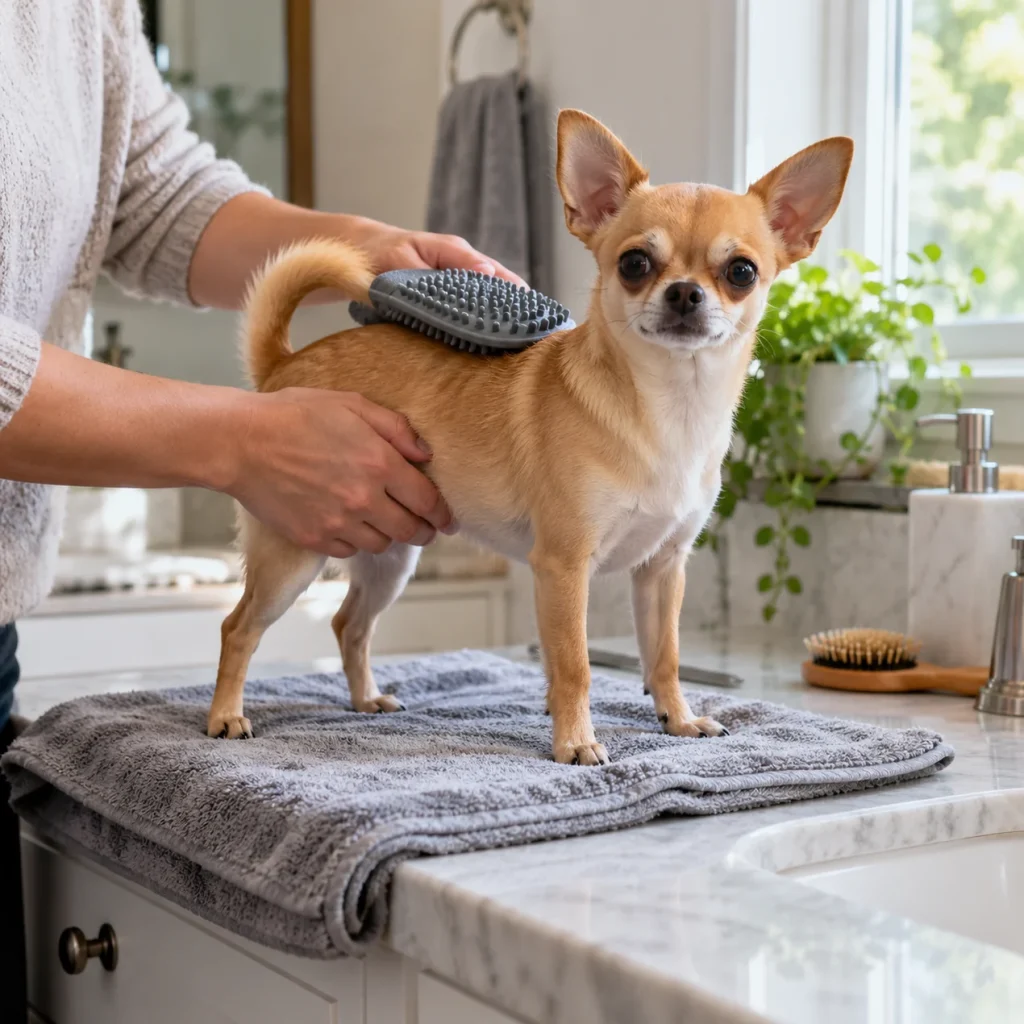
Chihuahuas are easy to care for in some ways and need extra thought in others. These are the basics that matter most for a dog this small.
- Food: feed a complete diet made for small or toy breeds, measured to your dog’s ideal weight. Puppies need several small meals a day. Count treats as part of the daily amount.
- Exercise: a short walk once or twice a day plus indoor games is usually enough, about 30 minutes in total. Use small-dog areas at dog parks, or skip them.
- Grooming: brush smooth coats weekly and long coats a few times a week. Trim nails every few weeks and brush teeth as often as you can.
- Cold weather: Chihuahuas lose body heat quickly. Use a dog sweater or coat on cold days, keep winter walks short, and dry your dog well after rain.
- Walking gear: many owners prefer a well-fitted harness to a collar for walks, so there is no pressure on the neck if the dog pulls. See our guide to choosing a harness for a Chihuahua.
For a full grooming routine, see our Chihuahua grooming guide.
Tiny Loving Canines may earn a commission when you buy through links on this page. It does not change what we recommend.
Gear That Helps a Chihuahua Stay Safe and Warm
- Sweater or coat: soft, stretchy fabric, a belly panel for warmth, a cut that leaves room to pee, and sizing by chest girth and back length rather than weight.
- Harness: extra-small sizing, light padded straps, a back clip, and a fit that does not slip over the shoulders. Measure the chest behind the front legs.
- Carrier: airy mesh sides, a firm base, and enough room for your dog to stand and turn around. Check airline size rules before you fly.
- Pet insurance: check that dental illness, kneecap problems and heart disease are covered, and what counts as a pre-existing condition. Compare quotes for your country, as cover differs in the US, UK, Canada and Australia.
Chihuahua Training and Socialization
Chihuahuas learn fast when training is short, positive and rewarding. Use tiny food rewards and praise, keep sessions to a few minutes, and stop while your dog is still keen. Harsh corrections tend to make a Chihuahua fearful or defensive.
- Socialize early: introduce people, sounds, handling and calm dogs gradually and pleasantly. Our Chihuahua socialization guide has a step-by-step plan.
- Plan house training: house training often takes longer than with bigger breeds. Take your dog out after sleeping, eating and play, and reward every success. See our Chihuahua potty training guide.
- Teach a quiet cue: reward a moment of silence after a bark, then build it up.
- Treat them like a dog, not a toy: a Chihuahua that is always carried and never asked to follow rules can become pushy or anxious. Clear, kind rules help.
For cues, recall and leash manners, read our full guide on how to train a Chihuahua.
How to Find and Adopt a Chihuahua
Many Chihuahuas wait in shelters and rescues, so adoption is a good first stop. Tiny Loving Canines is not a rescue and does not rehome or sell dogs. We help you find one responsibly.
- Start with rescue: check your local shelters and Chihuahua or small-breed rescues. Adult rescue dogs often come with known temperaments and some training. In the UK, Canada and Australia, local shelters and breed clubs can point you to rescue groups.
- Meet the dog more than once: watch how it reacts to you, to handling and to noise. Ask about house training, barking and history with children and other pets.
- If you buy a puppy, choose a responsible breeder: meet the mother, see where the puppies live, and ask for heart, eye and kneecap screening results on the parents.
- Walk away from red flags: sellers who will not let you visit, ship puppies sight unseen, sell several breeds, or push “teacup”, “micro” or “rare color” puppies at a premium.
There is no separate “teacup” Chihuahua breed, and the Chihuahua Club of America has a published statement on the term. Breeding for ever-smaller dogs raises the risk of health problems such as low blood sugar and fragile bones.
Ready to look? Browse our tiny dog breeds directory to compare breeds, then contact a local shelter or Chihuahua rescue to meet dogs in person.
Chihuahua FAQ
Is a Chihuahua a good pet to have?
Yes, for the right home. Chihuahuas are loyal, long-lived companions that fit small homes and need only modest exercise. They suit adults and families with older, calm children best, because rough handling or a fall can injure them. Expect some barking and wariness of strangers, and plan early, positive socialization so your dog stays relaxed with visitors.
Is a Chihuahua right for a first-time owner?
Often, yes, if you can give time and structure. Chihuahuas need little space or exercise, but they do best with company, steady reward-based training and patience with house training. If you work long days, plan a midday visit or a dog walker. Our Chihuahua training guide covers the first steps.
Which is better, an apple head or a deer head Chihuahua?
Neither is better as a pet. Both are Chihuahuas. The apple head has the rounded, dome-shaped skull the breed standard describes, while the deer head has a flatter skull and longer muzzle. Head shape does not decide temperament or care needs. Choose on health and the individual dog, and be wary of sellers who charge more for a head type.
Are Chihuahuas loyal to one person?
Often, yes. Chihuahuas tend to bond most closely with one person or one family and can be reserved with strangers. Everyone in the home can build a bond by sharing feeding, walks and gentle play. Early socialization helps your Chihuahua stay calm with visitors instead of guarding its favorite person.
Are Chihuahuas smart dogs?
Yes. Chihuahuas learn quickly, especially with food rewards, but they can be stubborn and do not respond well to harsh corrections. Short, frequent sessions with tiny treats work best. House training is where most owners need extra patience, so start with our Chihuahua potty training guide.
What were Chihuahuas bred for?
Companionship. The Chihuahua is thought to descend from the Techichi, a small dog kept by the Toltec people of Mexico as long ago as the 9th century. The breed is named after the Mexican state of Chihuahua, where it was first noted in the mid-19th century, and it has been a companion and lap dog ever since.
Is a Chihuahua hypoallergenic?
No. Both smooth and long coat Chihuahuas shed, and no dog breed is completely allergy-free. A tiny dog does leave less hair around the home than a large one, and weekly brushing helps. If you have allergies, spend time around Chihuahuas before you commit and talk to your doctor about what to expect.
How long do Chihuahuas live?
Most Chihuahuas live about 14 to 18 years, and the breed is considered long-lived. Good dental care, a lean body weight and a yearly vet check that includes listening to the heart give your dog the best chance of a long life. Read more in our Chihuahua lifespan guide.
Are Chihuahuas good with children?
They can be, with older, calm children. Chihuahuas are fragile, and a fall from someone’s arms or a rough grab can cause serious injury. A Chihuahua that feels cornered may snap. Teach children to sit on the floor to hold the dog, never to pick it up while standing, and always supervise play.
Are Chihuahuas good apartment dogs?
Yes. Chihuahuas suit apartments well because they need little space and only short walks, about 30 minutes of activity a day in total. The main challenge is barking at hallway noise and visitors. Teach a quiet cue early, and use puzzle feeders and short play sessions so your dog stays busy and calm.
Similar Tiny Breeds and More Chihuahua Guides
More Chihuahua guides:
- Chihuahua lifespan guide
- How to groom a Chihuahua
- How to train a Chihuahua
- Chihuahua socialization guide
- Chihuahua potty training guide
Similar tiny breeds:
- Pomeranian: a fluffy, outgoing toy breed with a thick double coat.
- Papillon: a lively, trainable toy breed known for its butterfly ears.
- Miniature Pinscher: a smooth-coated, energetic little dog with a big stride.
- Chinese Crested: a hairless or powderpuff toy breed that also feels the cold.
See every breed in our tiny dog breeds directory.